Getting Your Art Out into the World: A Yummy Blog to Help You Do It

If you aren’t hungry before you check out Art & Art Deadlines, you will be as soon as you see the front page. Today’s post has a mouth-watering chocolate cake as the first image you’ll see, but on any given day there will be an equally tempting morsel.

R.L. Gibson, the author of the blog, combines foodie love with art and posts a daily Call for Entry. The Calls for Entry range from mail art to photography to painting to theme based calls open to all media. You’re sure to find a place to begin (or continue) getting your art out into the world.

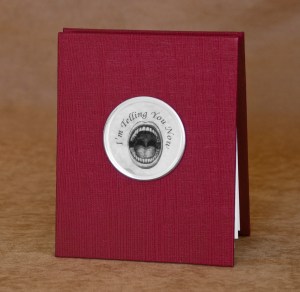
I was thrilled to find a Call for Entry to Art-O-Mat on Art & Art Deadlines. When my husband, Greg, and I were in New York at the Whitney, we found an Art-O-Mat. We’d read about them and were thrilled to finally find one! Basically it’s an old cigarette machine that has been re-purposed to dispense art. I’ve been wanting to find a way to get my artists’ books into an Art-O-Mat and now, thanks to Art & Art Deadlines, I know how to go about it. I’ll let you know how it works out.

~Ginger

www.gingerburrell.com

The Joy of Raw Materials: Bookcloth

When I was a little girl my mother sewed. She made me lovely little halter dresses for summer and pretty, fancy, dresses for the holidays. I remember going to the fabric store and helping her choose fabrics. Oh, how I loved the fabric store! Aisles and aisles of color, pattern, texture and spools of ribbon, lace and buttons – what is it about buttons?

Fast forward to seventh grade and an elective class appropriately named, “Beginning Sewing.” I discovered in this class that I did not inherit my mother’s ability to sew amazing garments from sketches and ideas. In fact, even with a carefully followed pattern and a lot of hand-holding, my efforts rarely resulted in anything resembling the picture on the pattern package.

Between seventh grade and my first handmade book were many years of sewing projects that reached a point of no return and ended up in a box. I once made a “Quilt In A Day” out of a Woman’s Day magazine and, after 14 years of partial completion and storage in a box, I finally gave it away. I never gave up though, I can’t resist fabric.

In the first book arts class that I ever took, at the San Francisco Center for the Book, we used bookcloth. A pretty and basic cloth that reminded me of library books. The instructor, Laura Russell, gave us a list of book arts suppliers including Talas and as soon as I got home I started shopping online.

The first thing I did was order a swatch book of  samples of Dover cloth, because of the broad range of colors. I was so tickled to again get to choose fabrics — but this time in a way that I could be successful!

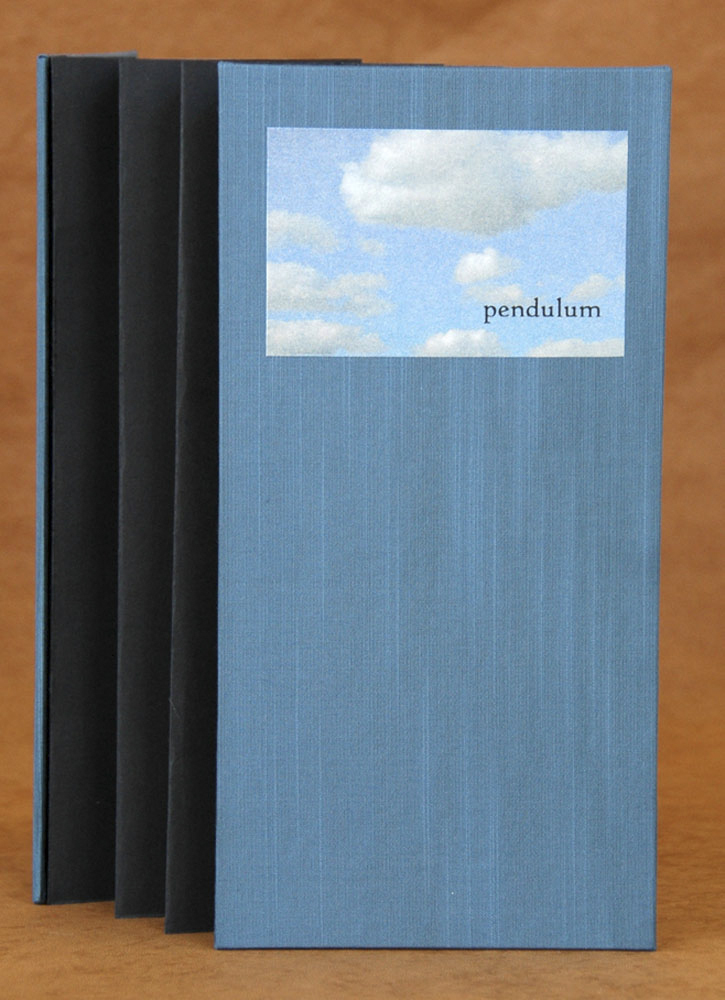
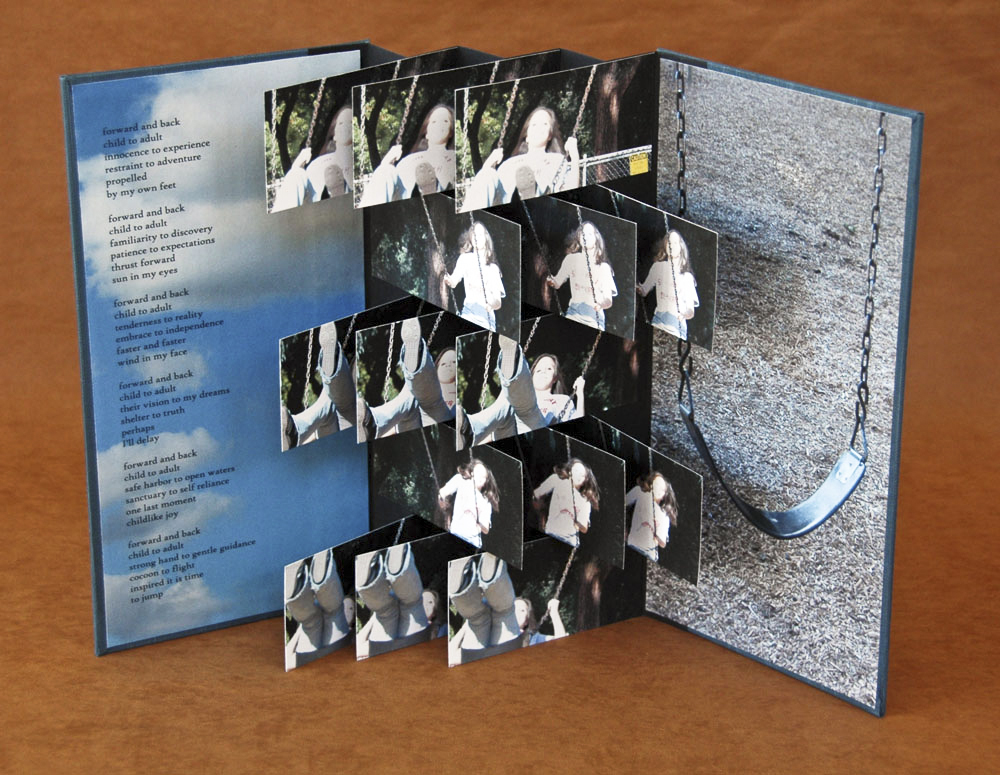
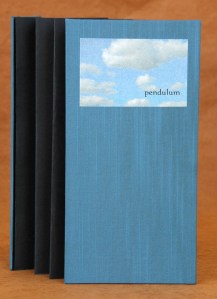
A few orders from Talas later, I ordered the Asahi bookcloth swatches. I can’t even begin to tell you how tickled I was with this swatch book. These beautiful washed silks, slubbed fabrics and iridescent shimmering squares made my heart sing. Right away I ordered a teal silk that I used for a book I was making about my niece, Samantha’s, transition from adolescence to adulthood called Pendulum:
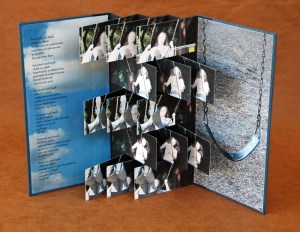
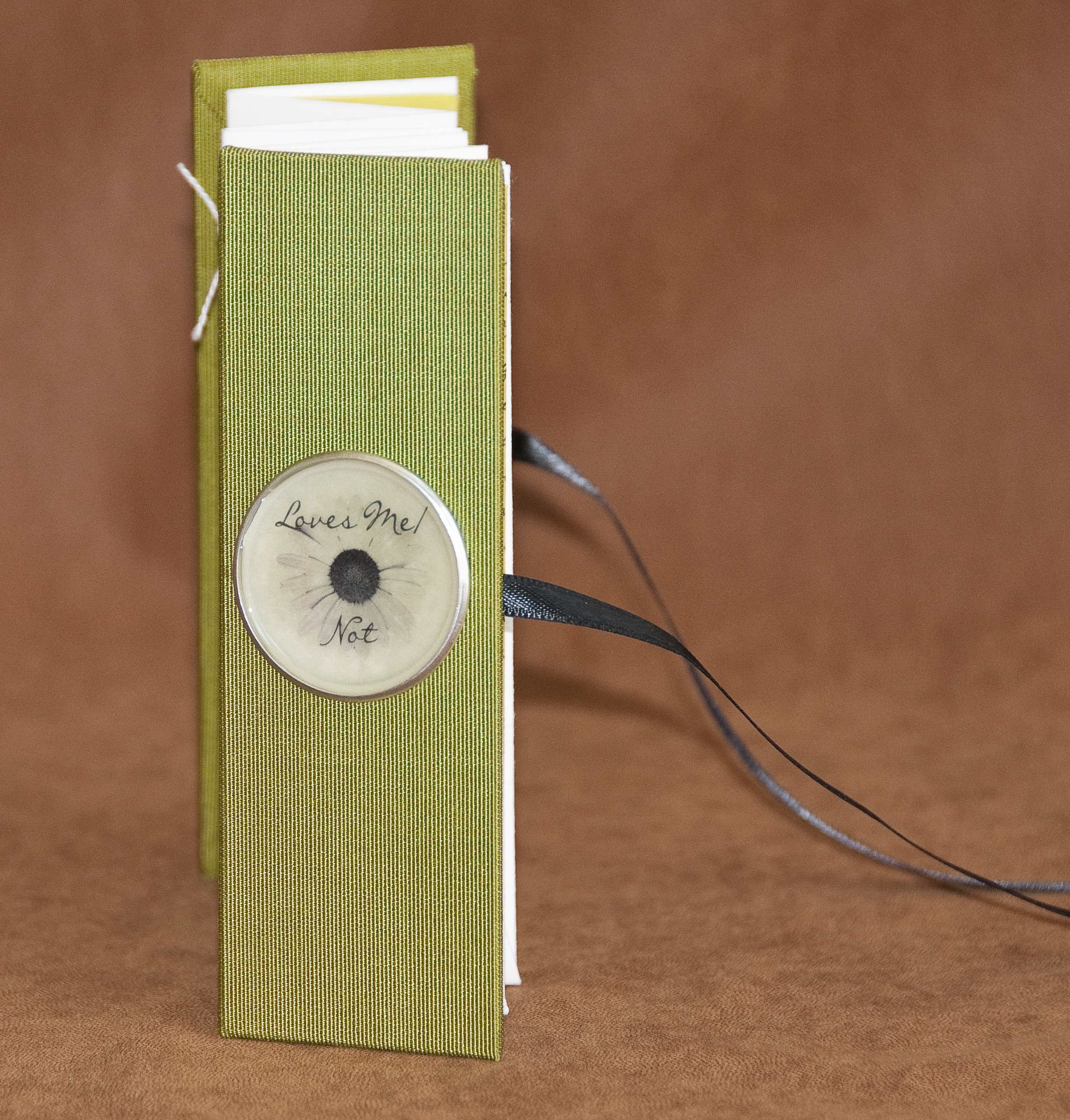
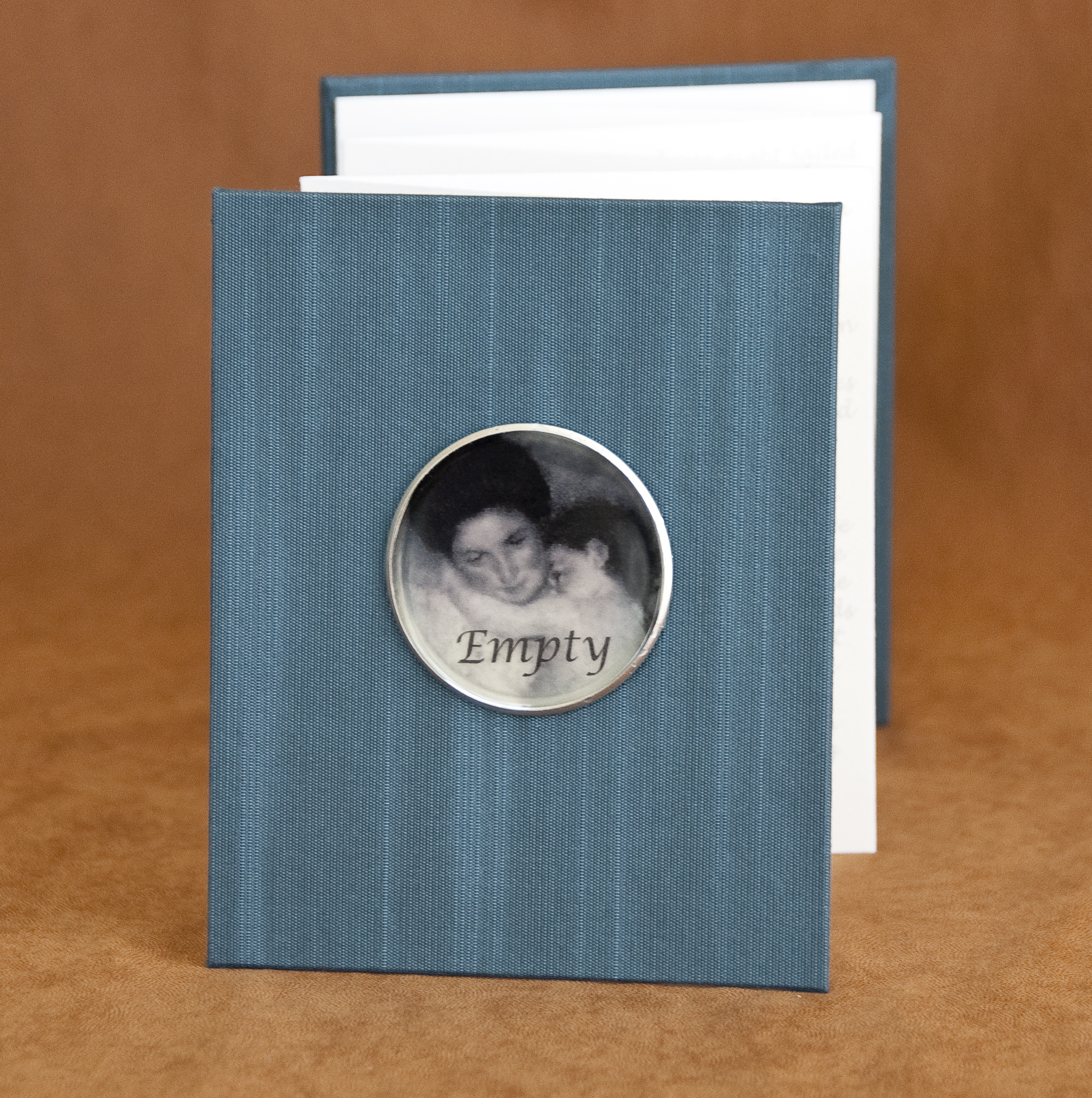
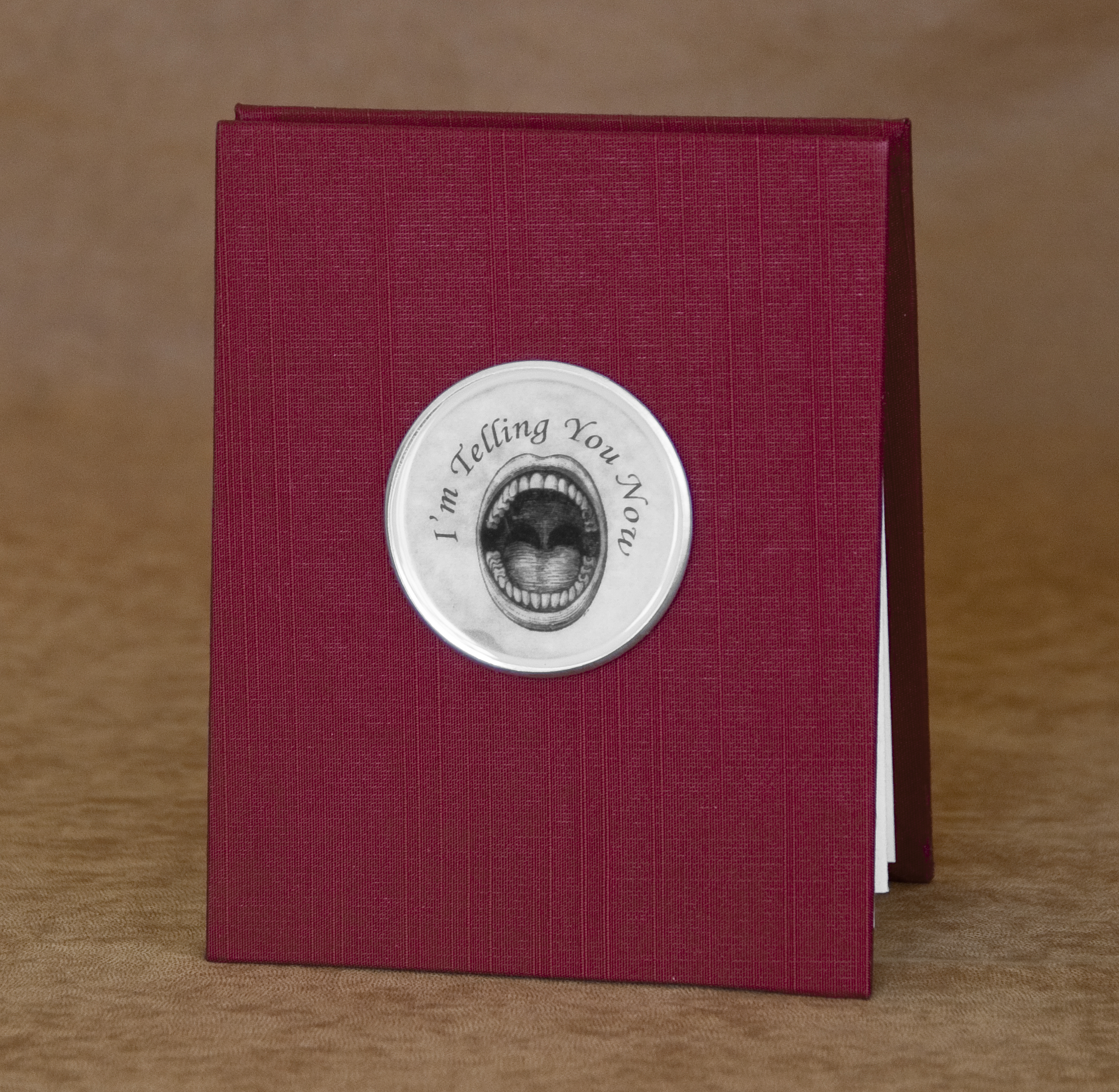
I recently ordered Asahi cloth in a delicious burnt orange, an intense burgundy, a lemon-lime green and more of that teal silk. Honestly, I can’t resist. If they weren’t so expensive I’d order some yardage of each just to have them in my studio. Here are the covers I made with some of those bookcloths:
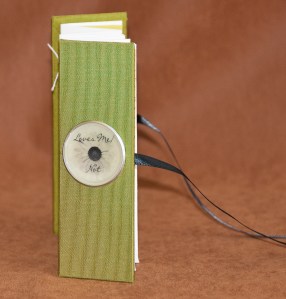
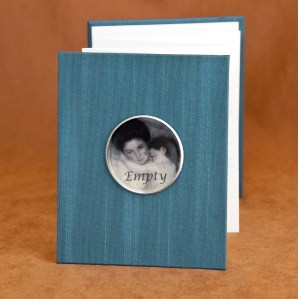
And this last order? Well, I resisted the swatch book for the Genji cloth because although it is truly beautiful, at $42, $79, and $95 per square yard, it is beyond my budget. But I did splurge on the Texlifil (vibrant wildflower colors) and the Chromo (very high-tech and futuristic feeling) swatchbooks and now I’m just itching to design some books around them. In fact, I may need to change one of my current projects to the Chromo. Hmm.

Do you have a favorite book cloth? A favorite supplier?

~Ginger

www.gingerburrell.com

When Does Storing Supplies and Completed Work Get in the Way of Making New?


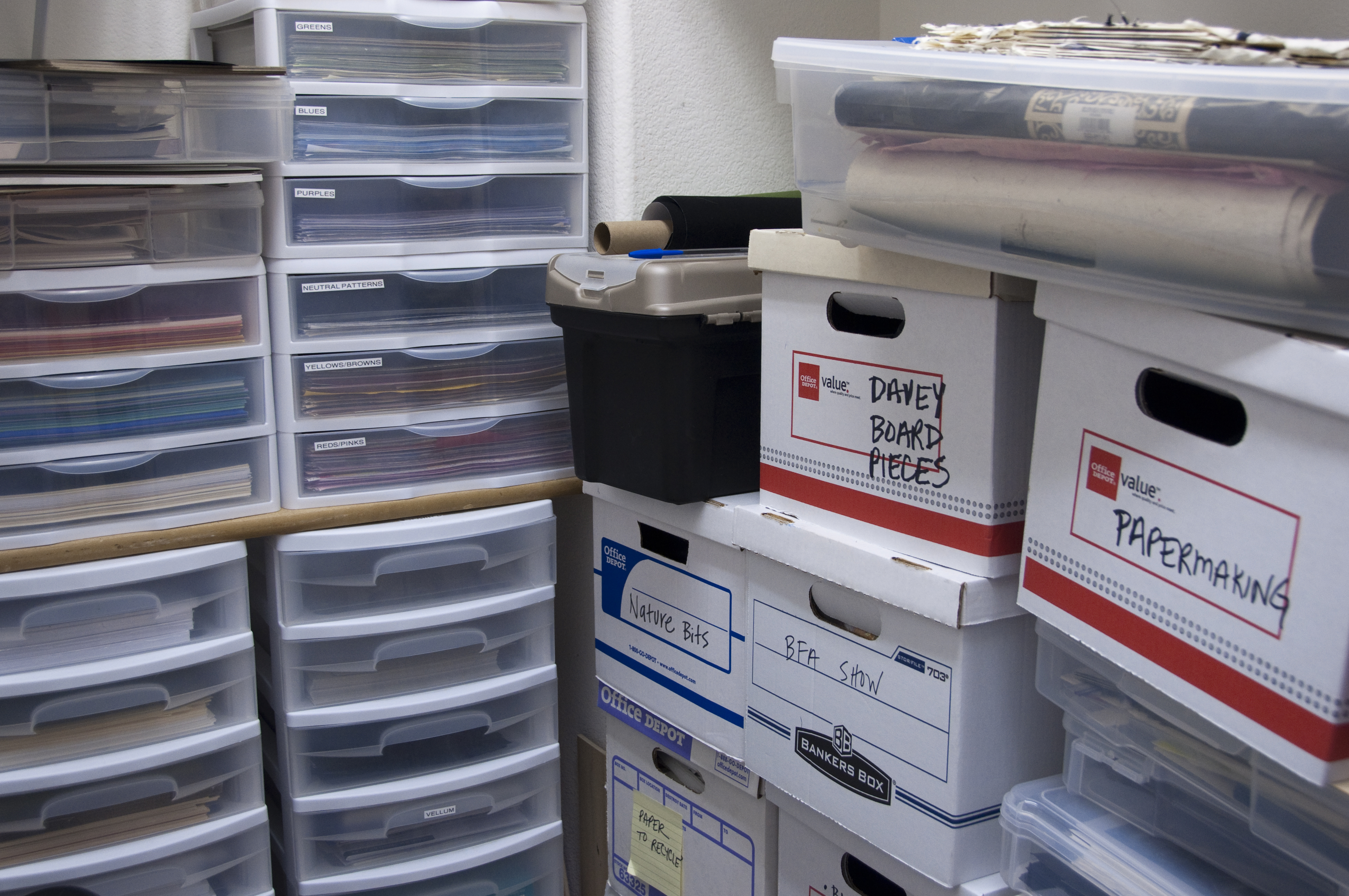
If you walk into my studio you might think that I have too much stuff and, most days, I would agree with you.  Despite a never-ending cycle of “cleaning out,” I still have too many treasures. I like keeping creative tidbits that might be useful in a future project and I love boxes, fabric, paper and memorabilia.

Most of the art-related stuff that I’ve given away has not been missed, but there is this nagging incident involving of a set of dollhouse furniture.  I kept this tiny kitchen table and four chairs for 10 years and, right after I decided I was never going to do anything with it and gave it away, I found the perfect use for it. I’m still looking for a replacement.

Most years my husband, Greg, and I go on a long driving trip of two weeks or more. Since we have a very small car we can only take so much. We always manage to fit in the art essentials, even if in the footwell: drawing tools, paper, a small lap loom, flower presses, assorted camera, video and computer equipment, and Ziploc baggies to collect found items. On one of these trips a few years ago I realized that we could go on pretty much indefinitely with only the things we had in the car. Yes, I’d have to figure out how to fit my cats in, but other than that, I wondered, why did we have all that other stuff at home? Thus began my fascination with the Minimalist movement.

Today I was reading a blog about minimalism that I like, Miss Minimalist, and the guest post by Robert Hickman had a gem of insight that made me grab a piece of paper and write down a quote for my studio wall.

Robert wrote, “I came to realise that I didn’t need everything I had ever created. My ability is in me, constantly improving. But my creations are static, quickly losing their relevance.”

Wow. Logically I know this, but for some reason reading that quote was a lightbulb moment for me.

I have a really difficult time letting to of past work and yet I know I can’t possibly store everything I’ve ever created. I’m often grateful that I’m a book artist and not a sculptor or painter of large works – artists’ books are pretty compact when closed.

What do you think? What percentage of your studio should be employed for storage of supplies and completed work? And when does storing things get in the way of creating new work?

~Ginger

www.gingerburrell.com